5 Immune Habits You Can Build Into a Commute You Already Have
Quick Answer: Five commute-compatible habits genuinely support immune function without adding time to your day: a short brisk walking segment, sunlight exposure timing, hydration before you leave, hand hygiene at transition points, and a consistent commute-time wind-down that supports sleep quality later.
Most immune advice assumes you have 20 free minutes for a new routine. These five don’t — they attach to a commute you’re already doing, so there’s nothing new to schedule.
Habit 1: A brisk walking segment, even just part of the commute
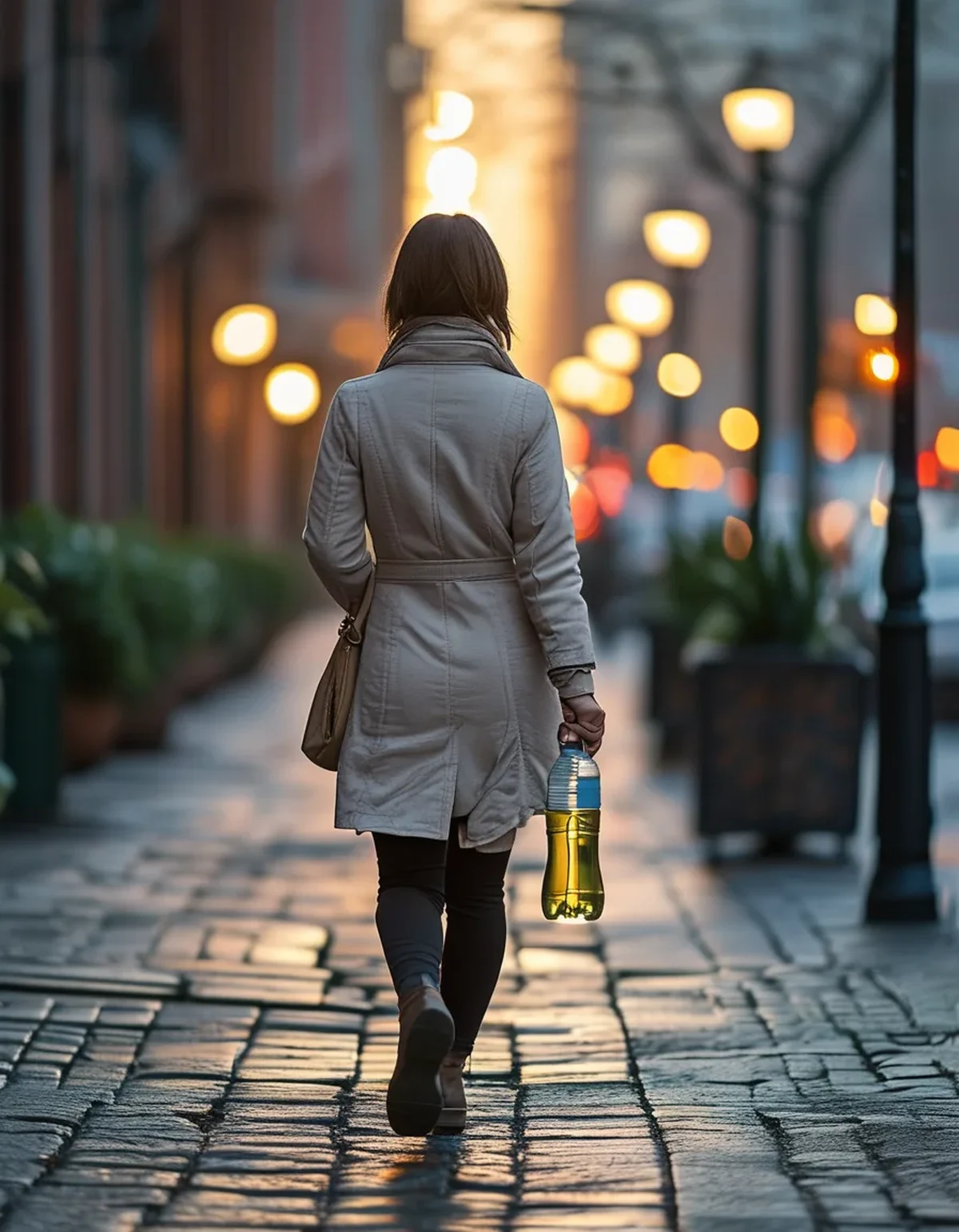
Moderate exercise — and a brisk walk qualifies — has research support for supporting immune cell circulation, distinct from the more intense exercise that can temporarily suppress immune function right after a hard session. If any part of your commute can become a 10-15 minute brisk walk (parking further away, getting off transit one stop early), that’s a genuinely immune-relevant habit riding on time you’re already spending moving from A to B.
Habit 2: Timing your outdoor exposure for morning light
Morning sunlight exposure — even 10-15 minutes, even through a commute rather than a dedicated walk — supports circadian rhythm regulation, which in turn affects sleep quality, and sleep quality is one of the more well-established levers for immune function. If your commute involves any outdoor time, doing it without sunglasses for the first stretch (weather and safety permitting) stacks this benefit onto time you’re already spending outside.
Habit 3: Hydrating before you leave, not after you arrive
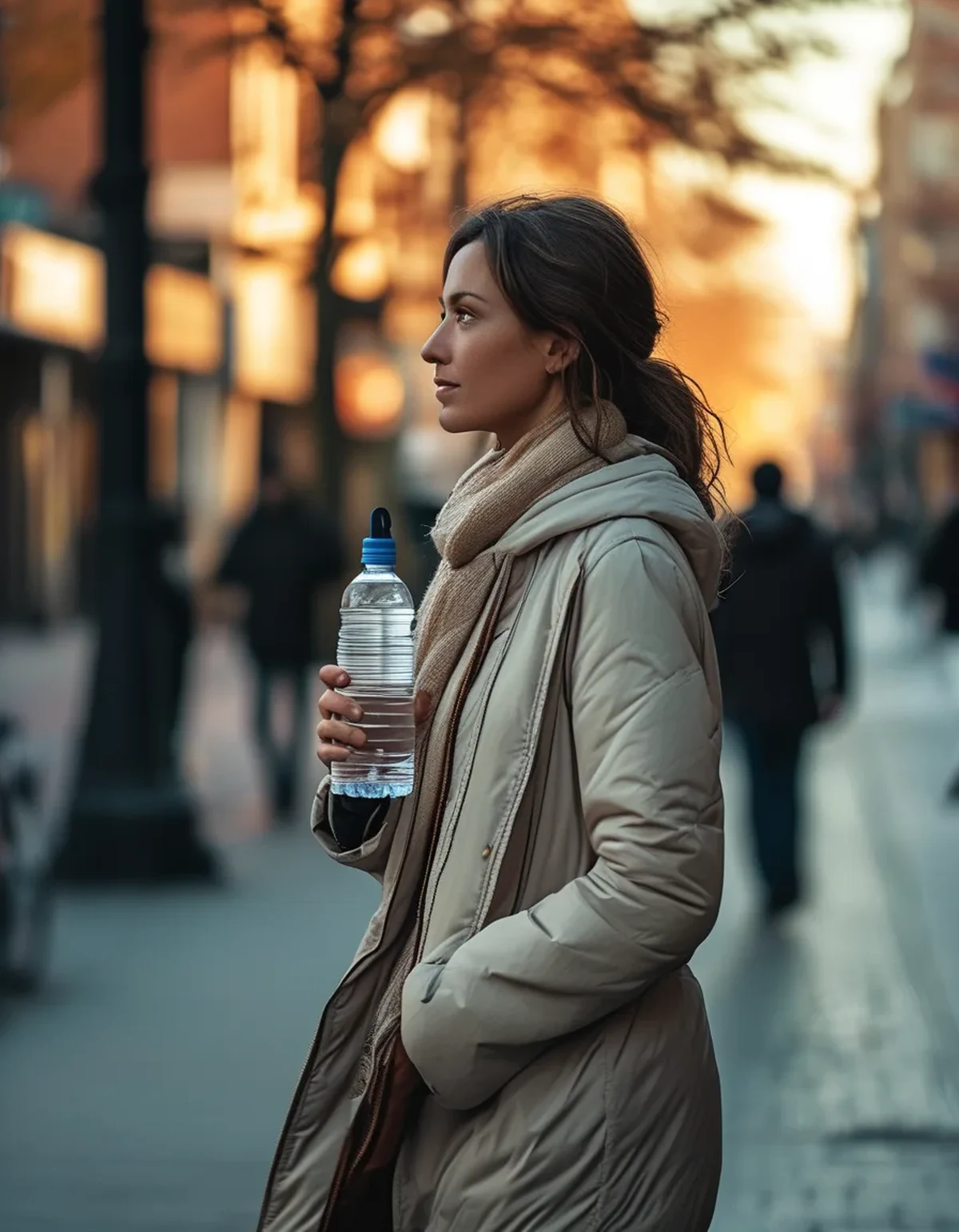
A glass of water before heading out, rather than waiting to hydrate once you’re at your desk or destination, closes a gap a lot of people don’t realize they have — many people go 8+ hours overnight plus a rushed morning without meaningful fluid intake until well into their workday. Mucous membranes (a real part of your first-line immune defense) function better hydrated, and this habit costs zero extra time, just a shift in when you already drink water.
Habit 4: Hand hygiene at natural transition points
Your commute already has natural pause points — getting in the car, boarding transit, arriving at your desk. Attaching hand sanitizer or a hand wash to these existing transitions (rather than trying to remember it as a separate task) is a low-friction way to reduce pathogen transfer from high-touch surfaces like handrails, door handles, and shared equipment, without adding a new habit to remember separately from your existing routine.
Habit 5: Using commute time as a genuine wind-down, not a stress-load
How you spend commute time affects your stress levels heading into or coming home from work, and chronic stress is one of the more consistently documented immune-function suppressors. Using at least part of a commute for something genuinely calming — music instead of work calls, a podcast instead of scrolling news, quiet instead of catching up on emails — is a real lever, not a soft suggestion, because it’s addressing one of the actual mechanisms (stress hormones) that affects immune function most directly.
FAQ: Commute Immune Habit Questions, Answered
Does walking during a commute really help immune function?
Moderate regular movement has genuine research support for supporting immune cell circulation — a brisk commute walk qualifies as moderate activity, distinct from intense exercise’s temporary post-workout immune dip.
How much morning sunlight is actually needed for a benefit?
Research generally points to 10-20 minutes of outdoor light exposure, ideally within the first couple hours of waking, being enough to meaningfully support circadian rhythm and downstream sleep quality.
Is hand sanitizer as effective as handwashing for commute hygiene?
Alcohol-based sanitizer (60%+ alcohol) is effective for most everyday commute situations; handwashing with soap is more effective when hands are visibly dirty or after higher-risk contact.
TL;DR:
- A brisk walking segment of your commute supports immune cell circulation
- Morning outdoor light supports circadian rhythm, which affects sleep and downstream immune function
- Hydrate before leaving, not after arriving — closes a real overnight-to-workday gap
- Attach hand hygiene to existing transitions rather than a separate remembered task
- Use at least part of the commute as genuine stress wind-down, not another stress load
None of these need new time on the calendar — they just change what you’re already doing during time you’re already spending.
Keep Reading
This article is for general informational purposes only and is not medical advice. Always consult a qualified health professional for guidance specific to you.