The Soup Defense: What Grandma's Pot Actually Does for a Cold
Every culture’s grandmother prescribes a version of the same medicine: the pot of soup. Modern research, charmingly, keeps finding modest support — warmth, hydration, decongestion and a few honest mechanisms. The soup defense is real enough to cook. Here is the science and the upgrades.

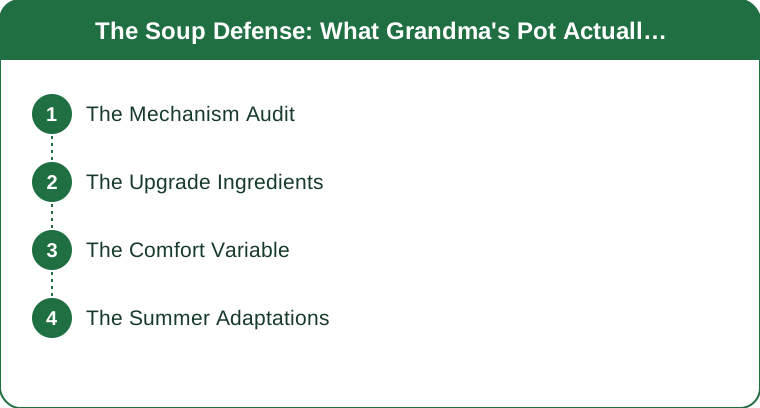
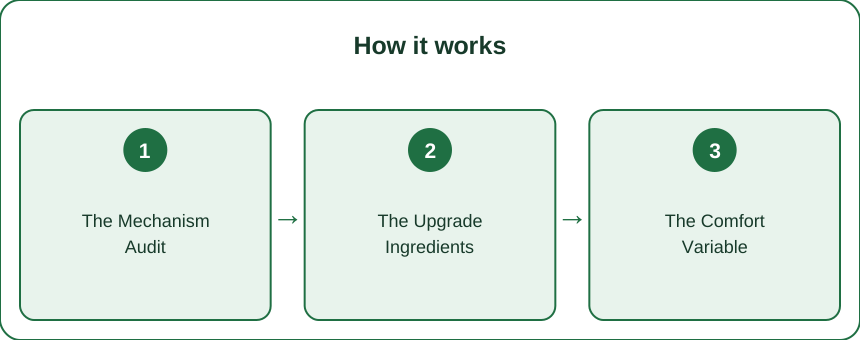
The Mechanism Audit
Hot soup’s steam and warmth loosen congestion (measured against cold water, hot soup wins for nasal airflow), the broth hydrates during illness’s high-need hours, salt replaces what fevers spend, and the classic study found chicken soup mildly calming inflammatory cell activity in vitro. Modest, multiple, and delicious mechanisms.
The Upgrade Ingredients
Garlic (crushed, rested, added late — the compound-preserving order), ginger (the nausea-and-warmth specialist), greens wilted in at the end (the vitamins that survive), and real chicken for the protein an immune response is literally built from. The pot becomes a delivery system.

The Comfort Variable
Being cared for — including by yourself — has its own measurable stress-lowering effects, and lower stress is immune support by mechanism. The soup ritual (the good bowl, the couch, the permission to rest) is part of the medicine. Grandma priced that in.
The Summer Adaptations
July illness wants lighter builds: gingery chicken-rice soup, miso with tofu and greens, or the chilled route — gazpacho hydrating a feverish afternoon. The defense is the fluid-warmth-nutrition triangle; the temperature is negotiable by season.
Steam that decongests, broth that hydrates, garlic added late, rest served alongside. The soup was never a placebo — it was a multi-mechanism delivery system wearing a comfort-food costume. Grandma’s pot: peer-reviewed enough. Cook it.
Keep Reading
This article is for general informational purposes only and is not medical advice. Always consult a qualified health professional for guidance specific to you.